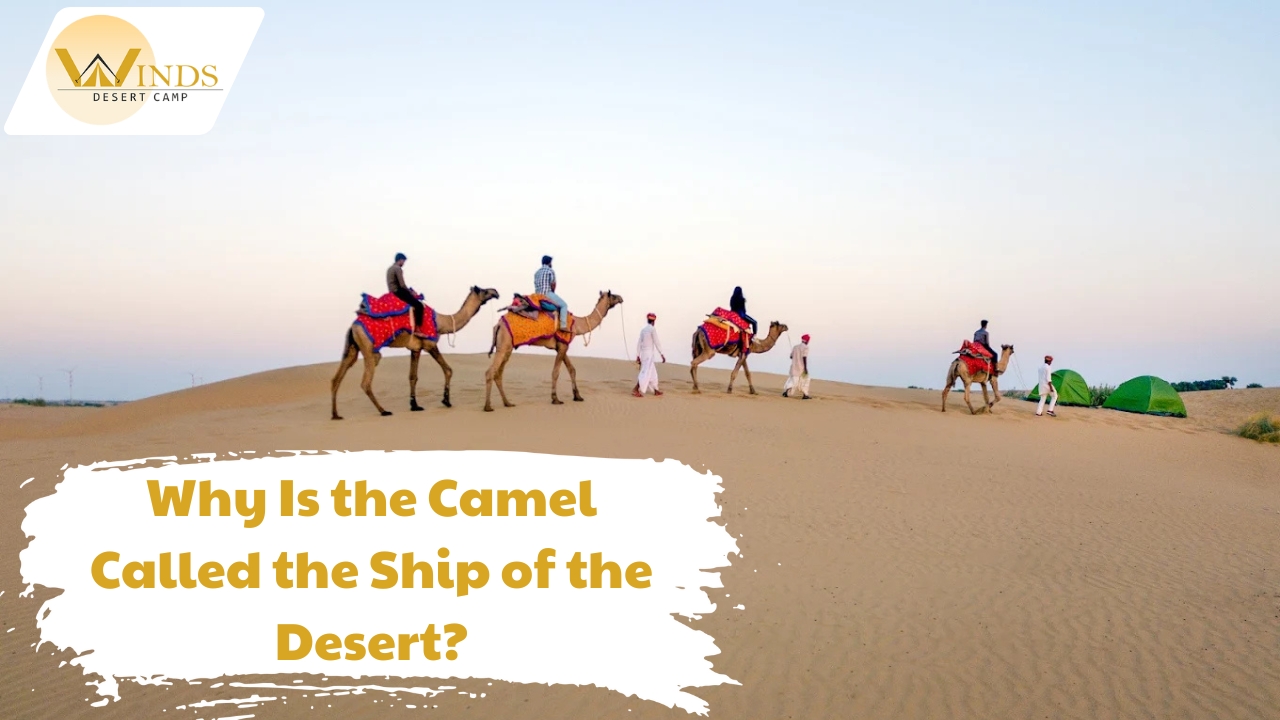
Across the golden sands of the Thar Desert, one figure has remained constant for generations: the camel. In Rajasthan, deserts are not just landscapes; they are active worlds where survival depends on strength and patience. In such conditions, the camel safari in Jaisalmer has always been the most reliable partner of humans. Long before roads, engines, or modern transport existed, camels connected villages, carried trade, and guided travelers safely through endless dunes.
Their ability to move steadily without water, rest, or comfort made them essential to desert life. Just as ships make long sea journeys possible, camels make desert travel possible. For a very long time, people living in deserts have depended on camels and respected them for their role in daily life. That long-standing bond is the real reason people still call the camel the ship of the desert.
Challenges of Living in the Desert
climate and severe temperatures- Desert Life in the desert is tough. The heat during the day slows everything down, while dry air causes quick dehydration. At night, the sudden drop in temperature makes survival even harder.
Why do most humans and animals suffer- Most humans and animals cannot cope with these conditions for extended periods. Heat drains their energy quickly, water is hard to find, and soft sand reduces movement speed. Without natural protection or strength. Long desert journeys turn dangerous.
How a Camel’s Body Is Designed for the Desert
If you look closely at a camel, you can tell it wasn’t meant for normal land. Most of its physical features are shaped by desert conditions.The hump mainly stores fat, which the camel uses when food is scarce. This is why camel is called ship of desert, it can travel for long days without stopping to eat. Its legs are tall and strong, keeping the body away from burning sand while walking. The skin is tough, and the hair helps protect it from both heat and cold, depending on the time of day. Even its feet are different, broad and soft so they don’t sink into loose sand. Nothing about a camel feels accidental.
Naturally adapted for long desert walks
Camels are well suited for long desert journeys. They move in a slow and balanced way that helps them travel long distances without tiring quickly. They also tend to move slowly and calmly saving them the energy which would otherwise be wasted in long distances, their broad feet do not sink so easily in loose sand and so their frequent walks do not tire them as much as they take frequent pauses to rest.
Efficient Use of Food and Water in Harsh Conditions
Desert survival requires careful use of limited food and water, something camels are naturally suited for. They can handle significant water loss, allowing them to go long periods without drinking. When they finally find water, their bodies take it in slowly and hold onto it instead of letting it slip away through sweat or urine.
Their hump isn’t filled with water like many people think; it has mostly fat in it. They use this fat when there isn’t much food around, and it helps them keep going even when the desert has nothing.They survive on dry plants, thorny bushes, and other hard to eat vegetation. Though their bodies take a while to break all this down, Even though this food takes time to digest, it provides long-lasting energy. They make the most of their food and water, which helps them endure harsh desert conditions.
A Long Lasting Relationship Between Humans and Desert Life
For generations, desert communities have relied on camels for daily survival. They transported supplies across long desert routes that other animals could not manage. They also provided milk and materials that helped people stay warm and protected.Travelers and traders depended on them because they could handle extreme heat and go long distances with little waterWith time, this dependence grew into a strong bond. Camels are more than just helpful animals; they are a vital part of daily desert life and survival. Helping them survive and stay connected to the world around them.
Natural Protection Against Heat and Sandstorms
- A camel’s eyes are designed to keep working even when visibility is low. Fine sand usually settles on the outer lashes instead of reaching the eye surface, keeping vision clear during strong winds.
- The nose works like a natural filter. The nostrils quickly adjust in dry, dusty air, limiting how much sand enters while breathing.
- Much of the camel’s heat control starts at the skin. The outer layer reduces direct heat, while inner layers help the body adapt gradually.
- Body hair plays a role beyond appearance. It creates a thin air layer between the skin and the sun, lowering direct heat impact during peak daylight hours.
- Unlike most animals, this allows camels to continue moving when others cannot. As a result, sweating is reduced and water is conserved.
- During sandstorms, camels have a thin protective membrane over their eyes that shields their vision, allowing them to keep moving when other animals would stop.
Exploring the Thar Desert Through Camel Safaris
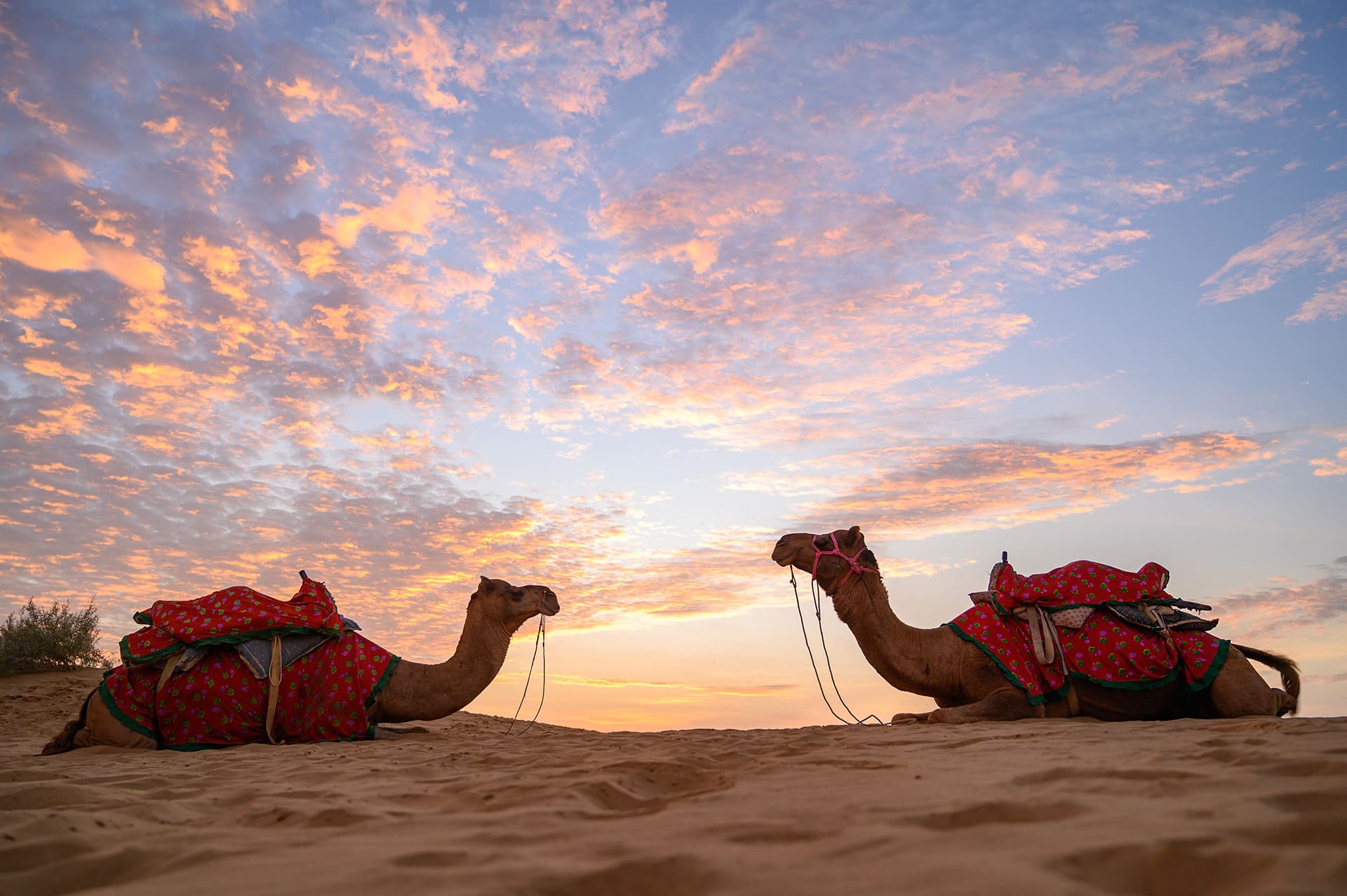
The Thar Desert feels totally different when you explore it on a camel. Instead of rushing through the sand, you move slowly and calmly, just like desert life itself. A camel safari offers a closer look at real desert life, golden dunes, quiet villages, and wide open skies that seem to go on forever.
For teenagers this experience feels fun without being complicated. There are no phones, no screens, and no constant noise, only fresh air and open space. Riding on a camel makes you feel closer to the desert and helps you understand how people have managed life here for many years.
Why No Other Animal Can Replace a Camel in the Desert
No other animal can replace a camel in the desert because most animals cannot handle such a tough environment. Camels can go for days without water, whereas most animals would get sick or die in that scorching heat.A camel’s body loses far less water than most animals, which helps it survive longer in extreme heat. They can also eat plants that other animals would not even like to taste, like dry bushes and thorny shrubs. Their feet are wide and soft, so they don’t go into the sand.
They can carry heavy loads for long distances without getting tired so soon. These are all the factors that make camels perfect for desert life. Other animals may last for a short while, but none can match a camel’s strength or endurance
Conclusion
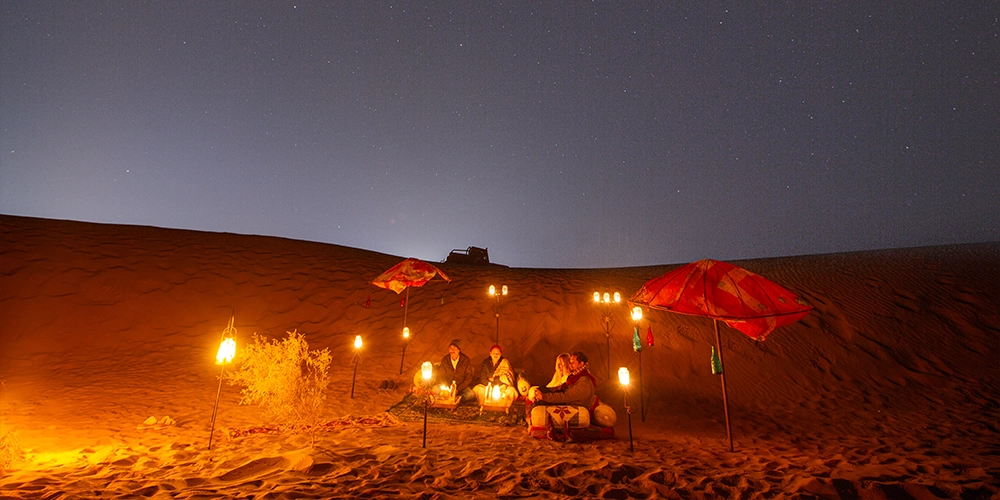
Camels have always been essential to desert life. Their strong body, steady movement, and ability to survive with little water explain why they are called the Ship of the Desert. Even today, camel safaris help visitors understand the true sense of the Thar. To make this journey comfortable, Winds Desert Camps offer a secure and relaxed stay with cultural experiences and desert activities. Camels and well-planned desert hospitality help create a memorable experience in the desert.
FAQs
Why is a camel called the ship of the desert?
A camel is called the ship of the desert because it can travel long distances on sand easily, carry heavy loads, survive harsh desert conditions, and provide reliable transportation, similar to how ships operate in the sea.
Can camels really go 100 miles without water?
Yes, camels can travel up to around 100 miles without water by storing fat in their humps, reducing water loss, preventing dehydration, and efficiently using body water and available food.
How much weight can a camel carry across the desert?
A healthy camel can carry between 170 and 270 kilograms across the desert, depending on its breed, terrain, distance, and climate, while still maintaining steady movement over long distances.