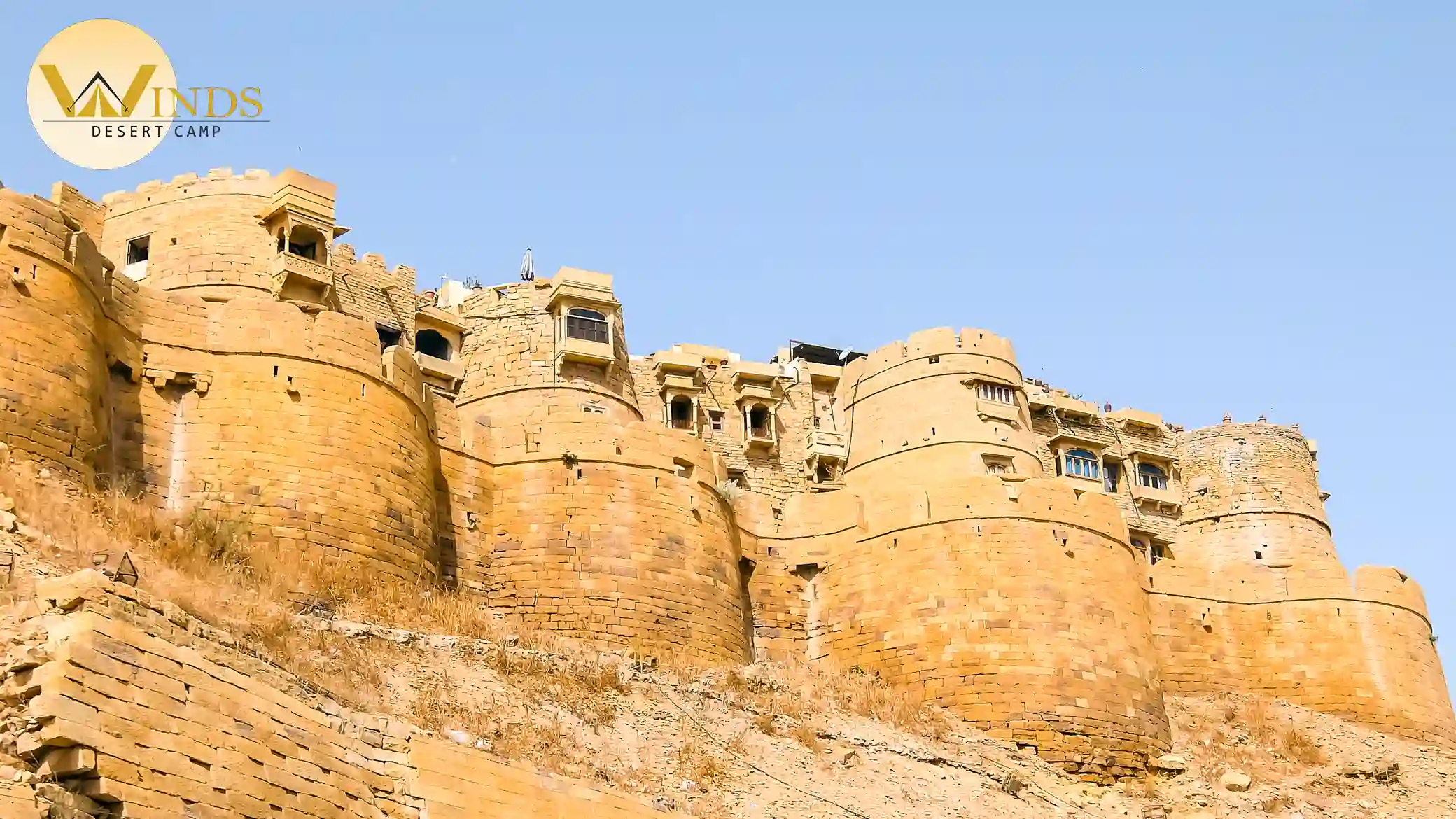
Rising like golden mirage erupts out of the sands of the Thar Desert, Jaisalmer Fort is one of the most iconic landmarks in Rajasthan. Unlike most historic forts that stand silent, this fort is lively and there are homes, shops, temples, and people who live within the walls of this fort. Jaisalmer Fort is not only beautiful in terms of architecture but it also has a special character as a living heritage site. This blog will discuss the facts, history and why it remains a remarkably extraordinary destination.
What Makes Jaisalmer Fort a Living Fort?
Jaisalmer Fort is called a living fort because, unlike most other forts in India, the fort is not deserted by people. Much of the city lives within its walls, so it is a very alive and dynamic place, not merely a historical shrine.
The houses, local shops, restaurants, temples, and small businesses inside the fort have been a part of daily life here since the times immemorial. This flow of human life causes the fort a certain flavor of coexistence between the past and the present. It is not merely a tourist site, it is a location where people live, work and live their daily life in a centuries-old environment.
Historical Background of Jaisalmer Fort
Jaisalmer Fort was built in 1156 AD by Rawal Jaisal, and the capital of the city was named after him. It was well placed on Trikuta hill as a formidable defensive fort and a major trading hub along trade routes in the ancient times.
The fort was the place where different battles and power changes took place during the centuries and the place was prosperous as the most significant trading post and resort. Its gold-coloured sandstone construction not only offered protection but also gave it the iconic appearance which also blends well with the desert terrain. Up to this day it is a symbol of the rich history and heritage of Jaisalmer.
Unique Architecture and Design of the Fort
Golden Sandstone Construction
Jaisalmer Fort is constructed with yellow sandstone and hence appears golden especially in sunset and rising. It is this peculiarity which causes it to be frequently referred to as the Golden Fort, because it harmonises quite well with the desert environment.
Massive Fortifications and Structure
The fort is surrounded by strong defensive walls and also there are a number of gates which were constructed to prevent invasion. Its higher position on Trikuta hill also gave it an upper hand and it was easy to spy on incoming enemies.
Intricate Design and Layout
Inside the fort, you’ll find narrow lanes, all beautifully carved, temples, and residential areas. The elaborated structure such as jharokhas (balconies) and stone carvings is indicative of the skill and the richness of culture during that period.
Life Inside the Fort Today
- Residential community: Thousands of people still live within the fort and this makes the fort one of the few living forts in the world. People have been living here for generations and their culture is quite close.
- Local shops and markets: small shops, full of handicraft, souvenirs, textiles, and traditional products fill the narrow streets of the town and provide tourists with an active shopping experience.
- Cafes and restaurants: Cafes and restaurants include numerous rooftop restaurants and cafes in which people can savor local cuisine as well as get breathtaking views of the city.
- Temples and daily rituals: Ancient Jain temples and other religious sites within the fort remain active where puja and rituals are performed regularly.
- Blend of old and new life: The fort may be old, but at the same time, it is not unfriendly to modern life, which is why it has its own distinctive mix of tradition and ordinary life.
Jaisalmer Fort Timings and Visitor Information
Jaisalmer Fort is usually accessible throughout the early morning to evening; at times between 9:00 AM and 6:00 PM. Although access to the fort per se is free, certain of its attractions, such as museums and palaces, can be charged separately.
Important Attractions Inside Jaisalmer Fort
- Jain Temples: gorgeously sculpted temples with elaborated architecture and reverence.
- Raj Mahal (Royal Palace): Ancient dwelling of leaders displaying royal way of life and architecture.
- Ancient Havelis: The traditional houses were carved and their structure was unique and complex.
- Narrow Lanes: Ancient streets showing the classic Fort design and beauty.
- Local Shops: Small market shops with handicrafts, souvenirs and local products.
- Viewpoints: Areas within the fort which give an amazing sight of Jaisalmer city.
Best Time to Visit and Capture Jaisalmer Fort Photos
The best time to visit Jaisalmer Fort is during the winters between October and March when the weather is pleasant and conducive to visiting the fort. The best time to take an impressive Jaisalmer Fort photo is in the early mornings and late afternoons when the golden sandstone is in fine form during soft sunlight. These times also provide cooler weather and less crowd and therefore visiting it is easier.
Top 10 Places to Visit in Jaisalmer Near the Fort
There are numerous tourist attractions that are located around Jaisalmer Fort, making your visit even more memorable. The following top 10 places to visit in Jaisalmer are easily reachable along with the fort:
- Patwon Ki Haveli: Famous for its complex architecture and fine carvings.
- Salim Singh Ki Haveli: Known for its unique design and roof of peacock shape.
- Nathmal Ki Haveli: A beautiful haveli with beautiful workmanship.
- Gadisar Lake: Enjoy a serene place where people can enjoy boating and taking pictures.
- Bada Bagh: The royal cenotaphs and beautiful sunset over this place.
- Sam Sand Dunes: Ideal desert safari and cultural tours.
- Kuldhara Village: An abandoned village with historical significance.
- Desert National Park: This is a great site to view desert wildlife.
- Tanot Mata Temple: A popular temple which is found close to the Indo-Pak border.
- Longewala War Memorial: This is a historical place of interest which tells the story of the war of 1971.
Interesting Facts About Jaisalmer Fort
- Jaisalmer Fort is one of the few living forts in the world, with a large population still residing inside.
- Rawal Jaisal constructed it in 1156 AD and it has remained a strong structure over the centuries.
- The fort is also known as Sonar Quila or the Golden Fort due to its yellow sandstone.
- It boasts of 99 bastions, majority of which were constructed to enhance its defense mechanism.
- The fort changes color throughout the day depending on sunlight.
- The hill fort is a UNESCO World Heritage site in the hill forts of Rajasthan.
Conclusion
Jaisalmer Fort is not only a historical monument but also a living heritage that is harmoniously composed of history and culture as well as everyday life. The fort is an experience that can be remembered not only because of its rich history and unique building but also because of the life that can be experienced within its walls. Jaisalmer Fort is among the most striking places to be observed in Rajasthan in its crowded lanes and the observation of other tourist attraction sites in its immediate vicinity or capturing some beautiful photos.
FAQs
Q. Why is Jaisalmer Fort called a Living Fort?
Ans. Jaisalmer Fort is also known as Living Fort since there are thousands of people who inhabit the fort. It is also a vibrant and active place to visit and not only a historical site as it has houses, shops, temples, and daily activities unlike most forts.
Q. What is the local name of Jaisalmer Fort?
Ans. Jaisalmer Fort is known as Jaisalmer sonar quila meaning the Golden Fort. This is because of its yellow sandstone which reflects the sunlight in a golden color, particularly at mornings and evenings.
Q. How old is Jaisalmer Fort, and who built it?
Ans. The Jaisalmer Fort was constructed in 1156 AD by the founder of Jaisalmer by the name of Rawal Jaisal. This causes the fort to be more than 850 years old and it remains firm as a significant historical and cultural site.