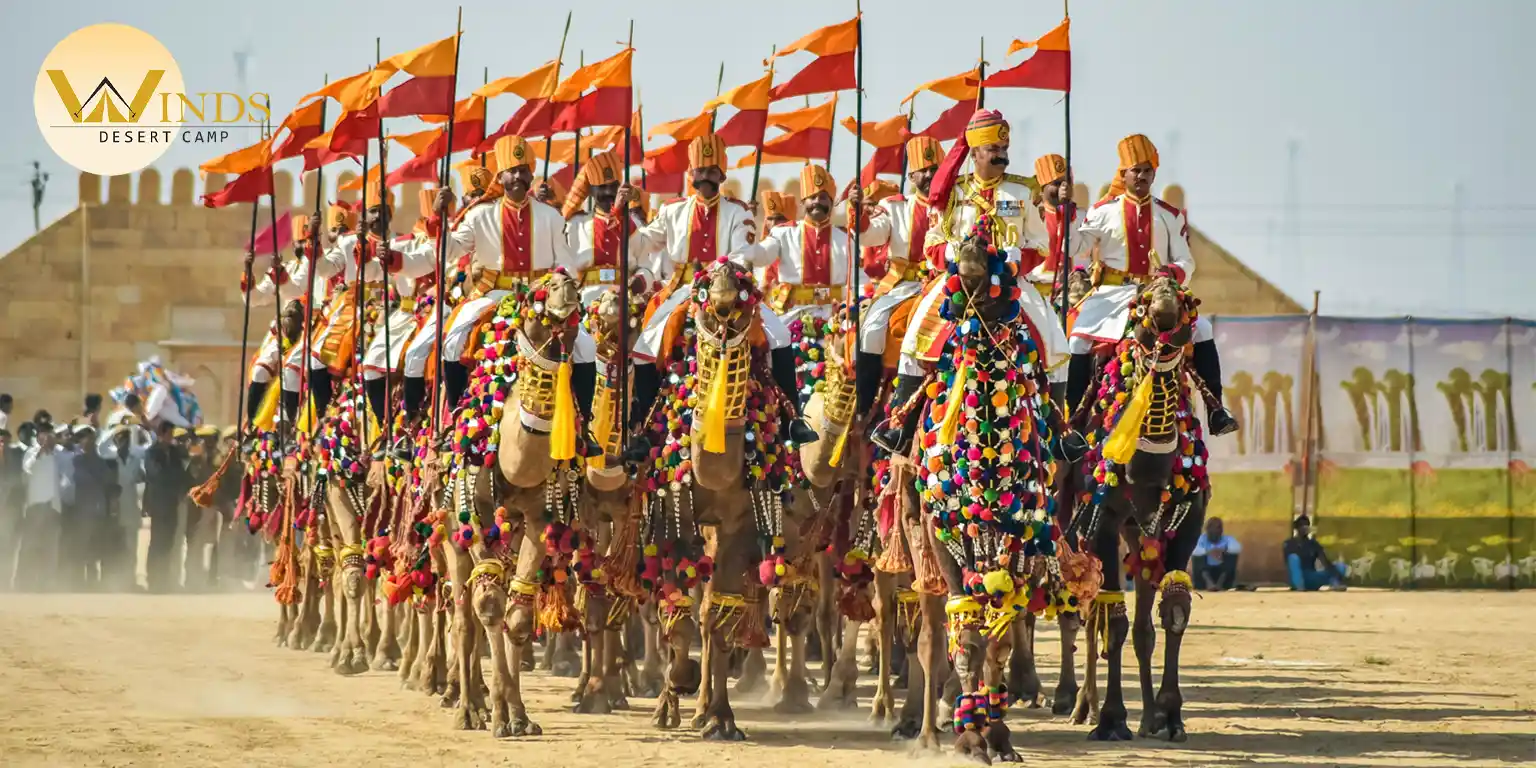
The Jaisalmer Desert Festival 2027, locally called Maru Mahotsav, is set to run from 18 to 20 February 2027 at the Sam Sand Dunes and Jaisalmer Fort. That’s the working date range currently circulating across travel sources — Rajasthan Tourism typically confirms the official schedule a few weeks before the event, so if you’re booking flights or leave from work around these dates, it’s worth a quick check closer to the date before you lock anything in.
With that out of the way, here’s everything else you need to plan the trip properly.
Quick Facts
- Dates: 18–20 February 2027 (subject to final confirmation by Rajasthan Tourism)
- Duration: 3 days
- Location: Sam Sand Dunes and Jaisalmer Fort, Jaisalmer, Rajasthan
- Organiser: Rajasthan Tourism Development Corporation (RTDC)
- Highlights: Camel races, camel polo, Kalbeliya and Ghoomar folk dance, turban-tying contest, moustache competition, and a closing night that typically falls close to the full moon (Poornima)
What Is Maru Mahotsav?
Maru Mahotsav is the ‘desert festival’. It began as Rajasthan Tourism’s way of putting Jaisalmer’s local traditions in front of a wider audience during the one stretch of winter when the Thar Desert is actually pleasant to sit in after dark. It happens every February, timed roughly to the Hindu month of Magh, and it’s built around things that are genuinely part of local life here, not staged for tourists: camel herding skills turned into races, turban-tying that men in the region still do daily, folk music passed down through Manganiar and Langa musician families.
What makes it different from a lot of “cultural festivals” elsewhere is the setting. Competitions run in Jaisalmer town near the fort during the day, and the whole thing shifts to the open dunes at Sam in the evening, where a stage gets set up against nothing but sand and sky. If you’ve only seen photos of Jaisalmer Fort lit up gold at sunset, this is the one time of year the town leans fully into that image.
Jaisalmer Desert Festival 2027 Events
The event lineup stays fairly consistent year to year, even though exact timings shift slightly:
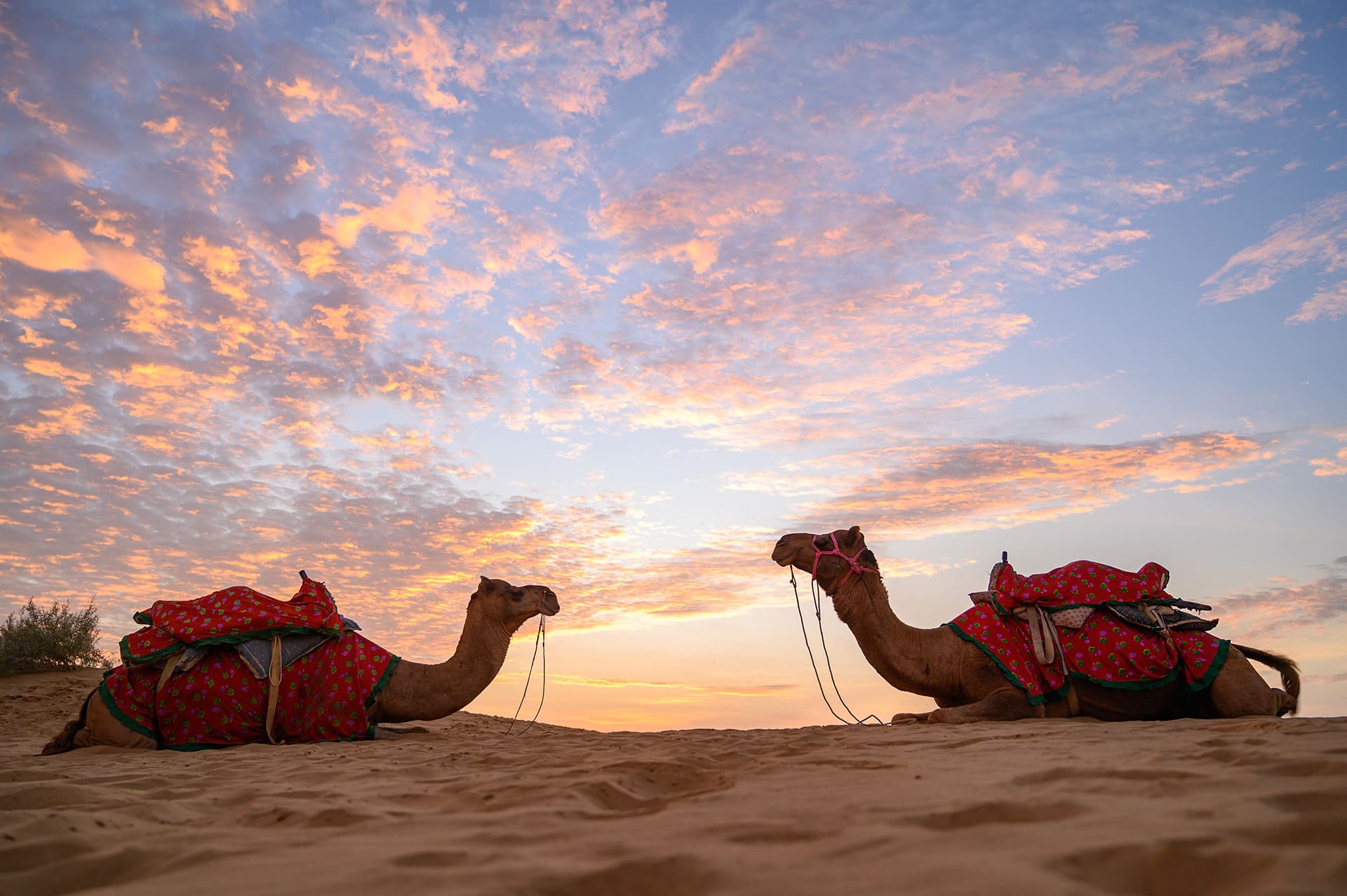
- Camel races – the marquee event, run on the open sand with local riders competing for genuine bragging rights back in their villages.
- Camel polo – less about spectacle, more about how well-trained these animals actually are. Worth watching even if you’ve written off “camel sports” as a gimmick.
- Camel decoration and tattoo show – camels dressed and painted in elaborate patterns, judged much like a livestock show would be, minus the seriousness.
- Folk dance and music – Kalbeliya (the “snake dance,” now UNESCO-recognised), Ghoomar, and live sets from Manganiar and Langa musicians who’ve performed this repertoire for generations.
- Turban-tying contest – open to tourists, and genuinely harder than it looks. Locals will happily show you where you’re going wrong.
- Moustache competition – exactly what it sounds like, and one of the more photographed parts of the festival for a reason.
- Panihari matka race – women balancing water pots on their heads in a race, drawn directly from an everyday task turned into competitive sport.
- Fire dance and closing performances – usually reserved for the final evening at Sam, when the festival winds down with music that carries a very different energy than the daytime competitions.
Day-Wise Festival Guide
Exact hour-by-hour timings for 2027 haven’t been released yet, but RTDC typically publishes those closer to the event, and the festival’s general day-wise structure has stayed consistent for years, so here’s what to expect based on that pattern.
Day 1 opens with an inaugural procession through Jaisalmer, usually starting near the fort, followed by early competitions like the turban-tying contest and moustache competition in the town’s stadium grounds.
Day 2 is when the pace picks up — camel races, camel polo, and the camel decoration show typically run through the day, with folk performances continuing into the evening.
Day 3 shifts almost entirely to Sam Sand Dunes. Daytime hours are lighter on scheduled events, giving people time to get out to the dunes, and the festival closes with its biggest folk music performance and fire dance under the open sky, often timed close to the full moon.
Treat this as a reliable shape for the festival rather than a locked schedule — check RTDC’s official announcement or your camp’s front desk once you’re closer to the date for the actual event-by-event timing.
Festival Venue & How to Reach
The festival splits across two venues: daytime competitions happen in Jaisalmer town, close to the fort and the local stadium grounds, while evening performances and the closing ceremony move out to Sam Sand Dunes, about 40 km from the city.
Getting to Jaisalmer itself is straightforward. The city has its own airport with connecting flights from Delhi and a few other metros, though frequency can be limited, so it’s worth booking early during festival season. Jaisalmer railway station connects to Jodhpur, Jaipur, and Delhi, and overnight trains from Delhi are a genuinely comfortable option if you’d rather sleep through the journey than fly. By road, it’s roughly 12 hours from Delhi and a much shorter run from Jodhpur, around 5–6 hours.
Once you’re in Jaisalmer, getting out to Sam for the evening events is usually arranged through your hotel or camp, since public transport out to the dunes thins out significantly after dark.
Where to Stay
You’ve broadly got three options, and which one makes sense depends on how much of the ‘desert experience’ you actually want versus how much comfort you’re not willing to give up.
Staying in Jaisalmer city puts you closest to the daytime festival events and the fort itself, with the widest range of hotels from budget guesthouses to heritage properties. It’s the easiest base if you’re short on time or don’t want to commute out to Sam every evening.
Staying at a hotel slightly outside the main town gives you a quieter base with easier parking and often better rates, while still keeping you within a reasonable drive of both venues.
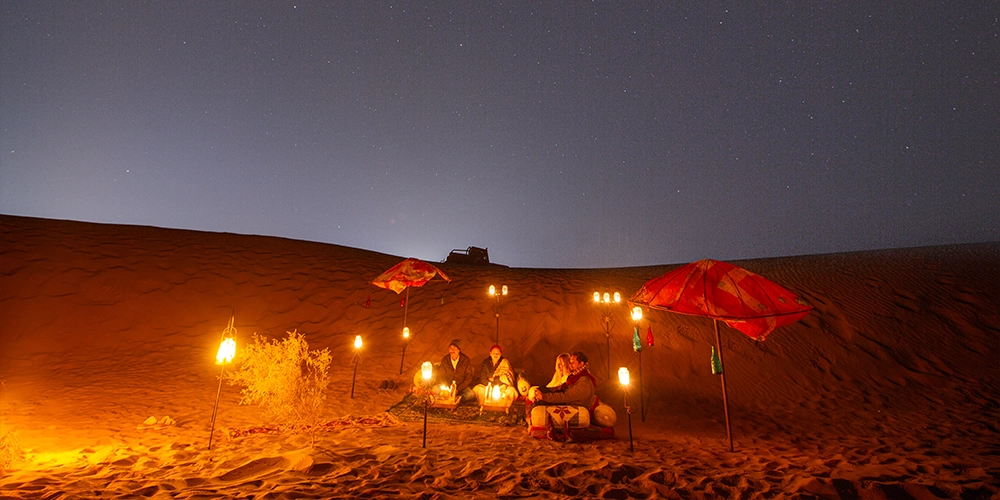
Staying at a desert camp near Sam puts you right where the evening festivities happen, which matters more than people expect; driving back into town late at night after the closing performance isn’t something you want to do every evening of a three-day festival. A well-run desert camp in Jaisalmer also means your evenings don’t end when the stage show does; bonfires, dinner under the stars, and a proper look at the desert sky continue back at the property.
February Weather, What to Wear, and What to Pack
February in Jaisalmer runs cool and dry, with generally comfortable daytime temperatures somewhere in the low-to-mid 20s Celsius, dropping sharply after sunset — desert nights this time of year can get close to single digits. That swing catches a lot of first-time visitors off guard, since the afternoon feels almost warm and the evening feels like a different season entirely.
Dress in layers. A light cotton outfit works fine for daytime events in town, but you’ll want a proper jacket or heavy shawl for the evening programme at Sam — locals wear layered wool for a reason. If you’re doing a camel safari or spending an evening at the dunes, closed shoes beat sandals, since sand cools down fast once the sun’s gone.
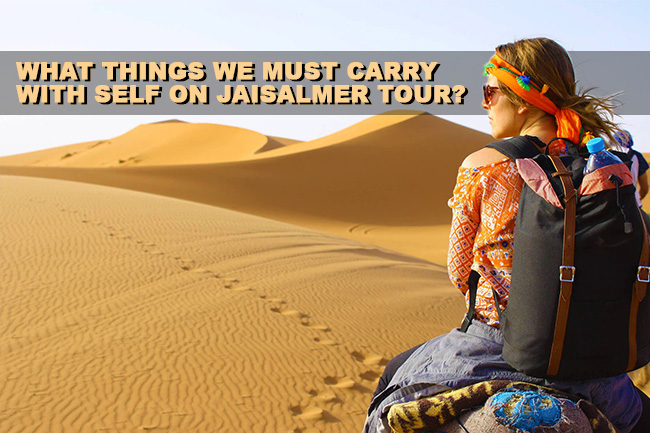
Worth packing: sunscreen and a cap for daytime, a warm layer for after dark, a torch or phone flashlight for navigating the dunes at night, a power bank since camp electricity isn’t always reliable, and a scarf or stole that doubles as protection from both sun and evening chill.
Jaisalmer Festival Itinerary Options
For a 2-day trip, keep it tight — arrive the morning of Day 1 or 2, catch one full day of town events plus an evening at Sam, and head out the next day. You’ll get a real taste of the festival without much breathing room.
A 3-day itinerary lines up naturally with the festival’s own three-day run, letting you catch the opening procession, the full day of competitions, and the closing night at Sam without rushing between venues.
If you’ve got 4 days, add a day either before or after the festival dedicated purely to Jaisalmer Fort, Patwon Ki Haveli, and a proper camel or jeep safari without festival crowds competing for your time — a good call if you’d rather explore the desert at a slower pace than the festival schedule allows.
Budget and Booking Tips
Book your stay early. Camps and hotels near Sam fill up well before the festival dates, and prices climb the closer you get to February. If a desert camp stay is part of your plan, confirm well ahead rather than assuming you can walk in.
Factor in transport separately from accommodation — jeep or car hire out to Sam each evening adds up over three nights if it’s not already included in your camp package.
Meals at camps are usually included in the tariff and tend to be better value than eating out separately in town every night, especially once you factor in the return trip.
If you’re travelling from outside Rajasthan, book flights or train tickets the moment dates are confirmed. Airfares to Jaisalmer during festival week move fast given how limited flight frequency already is.
Places to Visit Along With the Festival
Jaisalmer Fort (Sonar Quila) is the obvious one, and it’s worth walking through even outside festival hours; it’s one of the few forts in India still inhabited, with homes, shops, and temples inside its walls.
Patwon Ki Haveli, a cluster of ornately carved merchant mansions, gives a sense of Jaisalmer’s wealth during its trading heyday, and it’s a short walk from the fort.
Gadisar Lake is a quieter spot for an early morning or sunset walk, ringed by small temples and ghats.
Kuldhara, the abandoned village with its centuries-old mystery, makes for a good half-day trip if you’re curious about something outside the festival’s cultural programming entirely.
Khuri and Sam dunes, beyond the festival grounds themselves, are worth a slower visit if your itinerary allows a non-festival evening for a quieter camel ride and sunset.
Is It Worth Visiting? Who Should Visit?
If you want Rajasthan’s culture presented at its most concentrated music, competitions, food, and the desert landscape all happening in one place over three days- this is very much worth building a trip around.
It suits travellers who enjoy a bit of organised chaos, photographers who want the golden fort and dune backdrops without hunting for the right light, and anyone who’s curious about traditions like Kalbeliya dance or turban-tying beyond a museum description.
It’s less suited to travellers who want a quiet, empty-desert experience; festival season brings real crowds to both the fort and Sam dunes, and hotel rates rise accordingly. If solitude is the priority, visiting Jaisalmer outside the festival window will serve you better.
Experience the Festival with Winds Desert Camp
If you’re planning your Maru Mahotsav trip around Sam Sand Dunes, Winds Desert Camp puts you right in the middle of it, a short drive from the festival grounds, with comfortable tents, home-style Rajasthani meals, and evenings that carry on with bonfires and folk music long after the main stage wraps up.
It’s built for exactly this kind of trip: close enough that you’re not losing an hour each night to travel back into town, and easy enough on the desert cold that three nights out here feel like a proper stay, not something you’re enduring. Given how quickly camps near Sam fill up during festival week, it’s worth locking in your dates early.
FAQs
Q. When is the Jaisalmer Desert Festival 2027?
Current sources point to 18–20 February 2027, though Rajasthan Tourism usually finalises the exact dates a few weeks before the event.
Q. How many days does the festival run?
Three days, spanning daytime events in Jaisalmer town and evening performances at Sam Sand Dunes.
Q. Where exactly is the festival held?
The Maru festival is held across two venues where competitions and the opening procession happen in Jaisalmer town near the fort, while evening cultural programmes and the closing show take place at Sam Sand Dunes, about 40 km outside the city.
Q. Who organises the Jaisalmer Desert Festival?
The Rajasthan Tourism Development Corporation (RTDC).
Q. Is the Jaisalmer Desert Festival free to attend?
Most daytime competitions and street events are open and free to watch. Evening programmes at Sam Sand Dunes sometimes carry an entry fee or are bundled into camp packages — check with RTDC or your accommodation ahead of time.
Q. What is the best place to stay for the festival?
It depends on priorities: Jaisalmer city hotels suit those focused on daytime events and the fort, while a desert camp near Sam works better if you want to be close to the evening programme and extend the desert experience past the festival itself.
Q. What should I wear to the Jaisalmer Desert Festival?
Light layers for daytime and a proper warm layer for evening, since temperatures drop sharply after sunset in February.
Q. Can I ride a camel during the festival?
Yes. Camel rides and safaris are widely available both as festival activities and as standalone experiences through hotels and camps.
Is the Desert Festival suitable for families with kids?
Generally yes. The daytime events, folk performances, and camel activities work well for children, though evening programmes at Sam run late and get cold, so plan accordingly.
Q. How do I reach Jaisalmer for the Maru festival?
By air (Jaisalmer airport, limited connectivity), train (connected to Jodhpur, Jaipur, and Delhi), or road (around 12 hours from Delhi, 5–6 hours from Jodhpur).
Q. Is it necessary to book accommodation in advance?
Yes, it is strongly recommended. Camps and hotels near Sam Sand Dunes fill up well before the festival, and prices rise as dates approach.
Q. What other places can I visit near Jaisalmer during the trip?
Patwon Ki Haveli, Gadisar Lake, Kuldhara abandoned village, and Khuri sand dunes are all easy additions to a festival trip.
Q. Does the festival end with a specific event?
Yes. The final evening typically closes with folk music and a fire dance performance at Sam Sand Dunes, often timed near the full moon in February.
Q. Is the Jaisalmer Desert Festival the same as Ragasthan?
No. Ragasthan is a separate, privately organised music and camping festival held in November, distinct from RTDC’s Maru Mahotsav in February.
Q. How far in advance should I plan my trip?
Given limited flight connectivity and fast-filling accommodation near Sam, booking at least 6–8 weeks ahead is a safe bet, earlier if you want specific camp or hotel options.