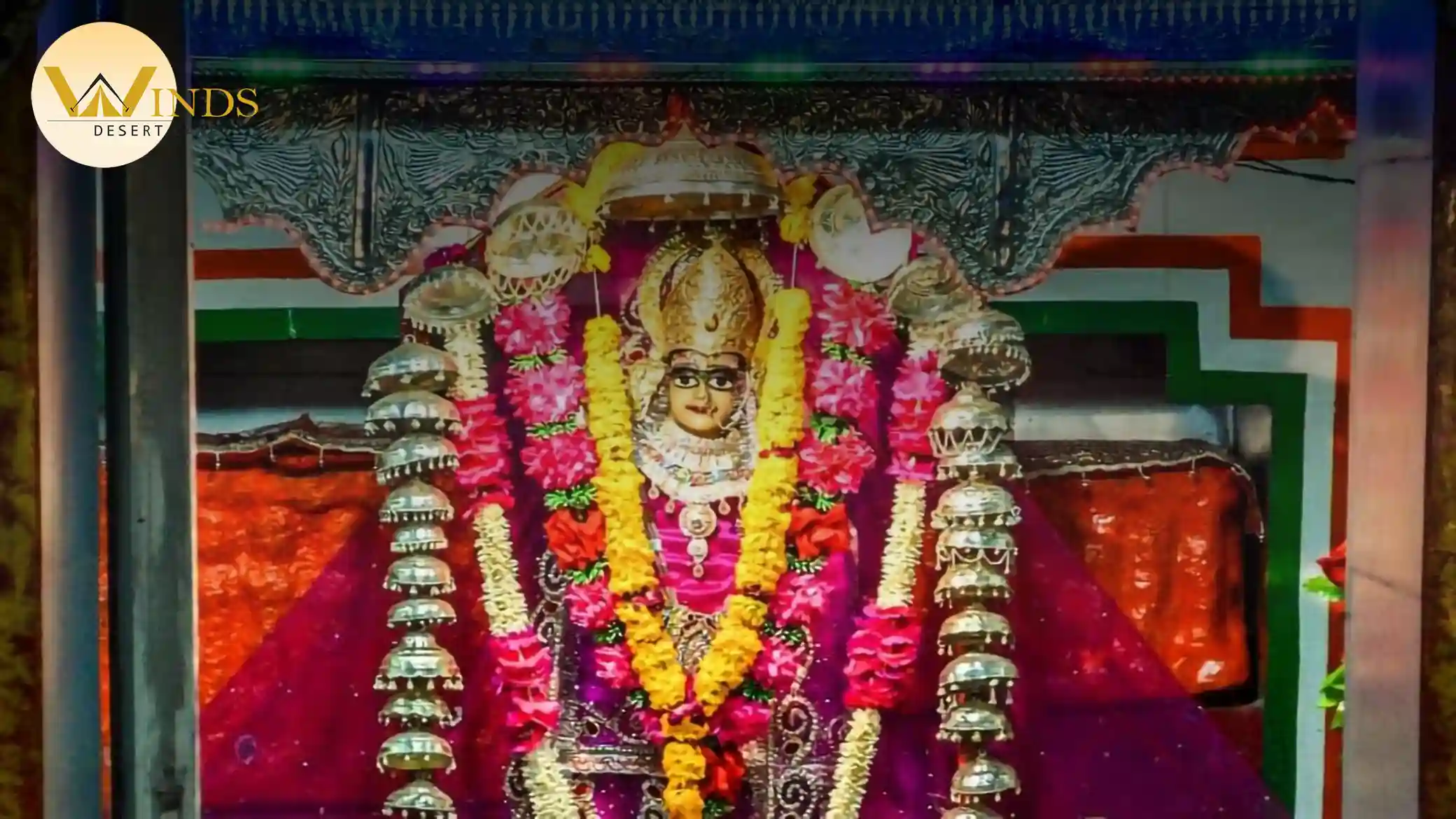
There’s a temple in the middle of the Thar Desert that most tourist maps barely mention, but ask anyone who’s been to Jaisalmer, and they’ll tell you — you haven’t really seen the region until you’ve stood inside Shri Tanot Mata Temple. It’s right near the India-Pakistan border, and honestly, the moment you step inside, you can feel why locals talk about this place the way they do. It’s part temple, part war memorial, part something you can’t quite put into words until you’ve been there yourself. So let’s get into it — timings, distance, history, a few honest tips, and nearby places to visit in Jaisalmer help you plan the trip properly.
Shri Tanot Mata Travel Guide Summary
Here’s a quick look before we get into the details:
| Detail | Information |
| Location | Tanot village, near the India-Pakistan border, Jaisalmer district |
| Shri Tanot Mata Temple Timings | 5:00 AM to 8:00 PM (evening aarti between 7 PM and 8 PM) |
| Permit & Entry Requirements | Temple & Longewala: Free entry; mandatory online registration for the border area. Actual Border Fence (BP 609): Prior BSF permission required. |
| Entry Fee | Free |
| Distance from Jaisalmer | Around 120 km, roughly a 2-hour drive |
| Best Time to Visit | October to March, when the desert weather is easier to handle |
| Managed By | Border Security Force (BSF) |
| Nearest Railway Station | Jaisalmer Railway Station |
| Nearest Airport | Jaisalmer Airport (limited connectivity); Jodhpur Airport as an alternate |
The History Behind Shri Tanot Mata Temple
The story of this temple goes back a long way. It was built by the Bhati Rajput king Tanu Rao in 828 AD, and the goddess worshipped here, Tanot Mata, is believed to be a local form of Hinglaj Mata — the same goddess later linked to Karni Mata as well. Locals see her as a fierce protector, someone who watches over the land and the people living near the border. For generations, the temple has been cared for by the Bhati Rajputs and the people of Jaisalmer, passed down through families who consider her their guardian deity.
What really put this temple on the map is what happened during the wars with Pakistan. In 1965, around 3,000 bombs were fired at the area, but not one of them went off near the temple. It happened again in 1971, during the Battle of Longewala — enemy tanks got stuck in the sand, giving the Indian Air Force the chance to take them out. A small unit of around 120 Indian soldiers managed to hold off a much larger Pakistani force that day, and locals credit the goddess’s protection for the outcome.
After that war, the Indian Army built a victory tower, called the Vijay Stambha, right inside the temple grounds to mark the win. Every year on 16th December, this day is celebrated here as Victory Day, with soldiers and visitors gathering to remember what happened.
Since 1971, the temple has been looked after by India’s Border Security Force. They’ve also set up a small war museum on the premises, where you can see unexploded bombs and old tanks from that time — a quiet but powerful reminder of what happened here. The story is well known enough that it even inspired scenes in the Bollywood war film Border.
What to Expect at the Temple
Walking into the temple area, you will notice it’s simple, calm, and clearly cared for. The main shrine has the idol of Tanot Mata, dressed in bright fabric and jewellery, with detailed artwork and murals throughout the space that tell stories from the goddess’s legend. Because the BSF manages the site, everything feels neat and orderly — soldiers themselves often stop by to pray here, especially before or after their posting near the border. Something is moving about seeing armed forces personnel and everyday travellers standing together in the same line for darshan.
The Victory Tower and War Museum add a different layer to the visit. It’s rare to find a place where devotion and military history sit side by side like this. Many visitors say the atmosphere here feels different from other temples — quieter, but somehow heavier with meaning. Photography is generally allowed around the temple grounds, though it’s a good idea to be respectful of the security setup, given how close you are to the border.
Best Time to Visit
The Thar Desert doesn’t go easy on visitors, especially in summer, when temperatures can climb past 45°C. This part of Rajasthan is known to be one of the hottest regions in the country, so timing your visit matters more here than in most places.
October to March is the ideal window, with cooler mornings and pleasant evenings for the drive and the visit itself.
16th December (Vijay Diwas) is worth experiencing if you can plan around it — the temple and army personnel mark Victory Day with special observance.
Avoid the peak summer months unless you’re comfortable with serious heat, especially since the drive itself takes a couple of hours through open desert.
How to Reach Shri Tanot Mata Temple
Getting to the temple takes a bit of planning since it’s tucked away near the border, but it’s a manageable and scenic trip.
By Road: Most people travel by road from Jaisalmer city, 120 km away ( about 2 hours). Taxis and rental cars are simple to get.
By Train: The nearest well-known station is Jaisalmer Railway Station, which is well connected to cities like Jodhpur, Jaipur, and Delhi. You can also get a public taxi straight from the station to the temple if you prefer.
By Air: Jaisalmer has its own airport with limited connectivity; if unavailable, Jodhpur Airport is the next best option, about 4 hours away by road.
The drive itself is part of the experience — long stretches of golden sand, small desert villages, and wide-open skies the whole way.
Do I Need a Permit to Visit Tanot Mata?
Given that the temple stands in a sensitive borderland, some simple protocols apply:
Visiting Temple & Longewala Memorial
No Special Military clearance is required for Indian Nationals. But you need to pre-register online via the official Shri Tanot Mata Mandir Trust portal before going there. Carry two physical printouts of your generated border pass along with your original government ID.
For Actual Border Fence (BP 609)
To visit the actual border fence (located 20 km beyond the temple), you need a BSF permit. You must get this clearance in advance from the BSF Headquarters in Jaisalmer city.
Border Restrictions For Foreign Nationals
Strict international border restrictions apply. Foreign tourists must get prior permission from the District Collector’s office in Jaisalmer.
Note: Mobile networks drop off after Ramgarh. Do not rely on digital documents on your phone; always carry physical copies of your pass and ID.
Nearby Places to Visit
Since Tanot is a bit of a journey from the city, it’s smart to pair it with other nearby stops so the long drive feels worth it:
- Longewala Border: The actual battlefield from the famous 1971 war is a short distance from the temple, though you’ll need permission to go closer to the border itself.
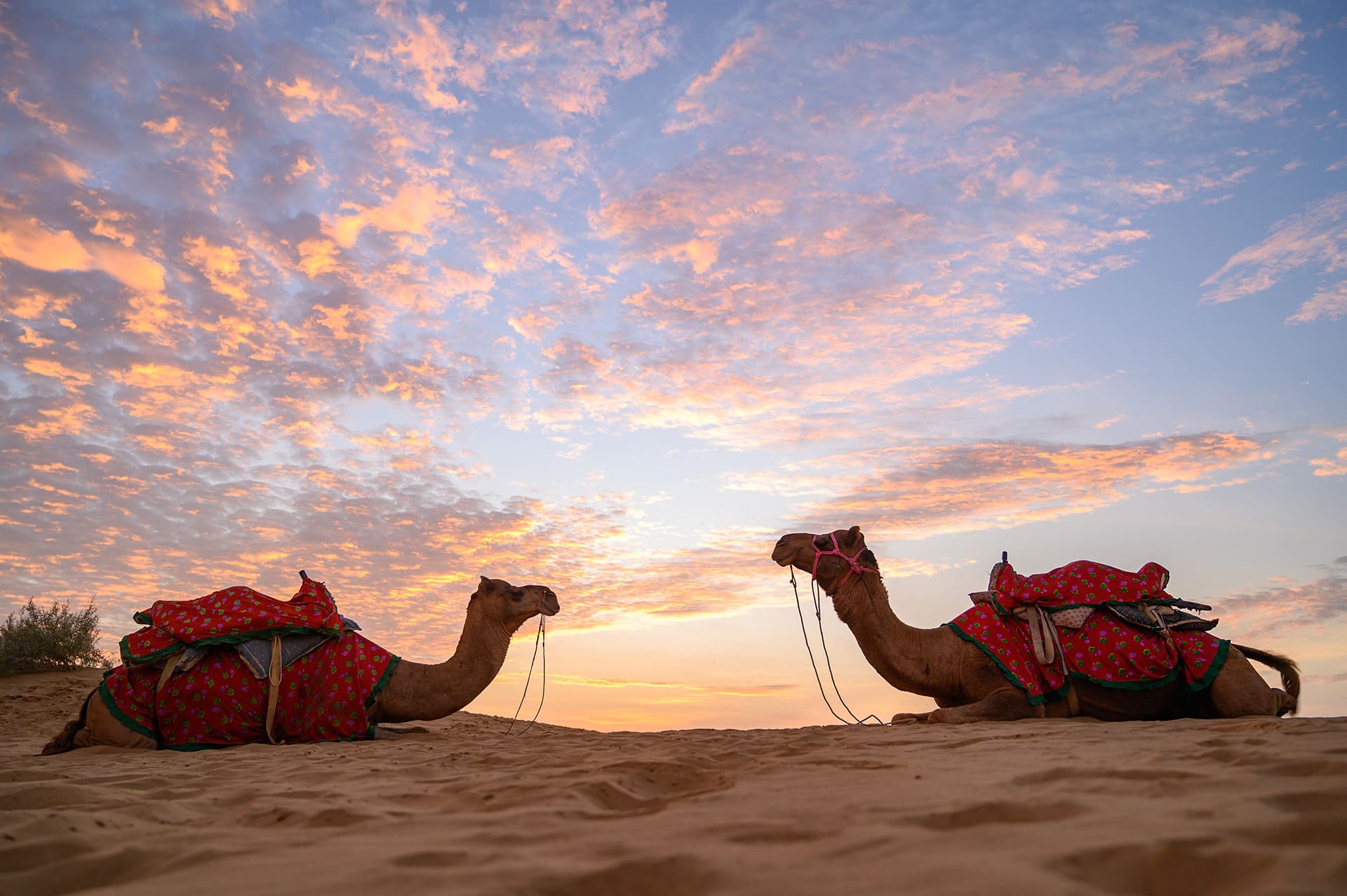
- Sam Sand Dunes: A popular stop for sunset views and camel safari in Jaisalmer, roughly 100 km from the temple, and one of Jaisalmer’s most photographed spots.
- Jaisalmer Fort: Back in the city, this massive living fort is one of Rajasthan’s most iconic landmarks, well worth a visit before or after your Tanot trip.
- Desert National Park: For those interested in wildlife and desert ecology, this park is another option to add to the itinerary on the way back.
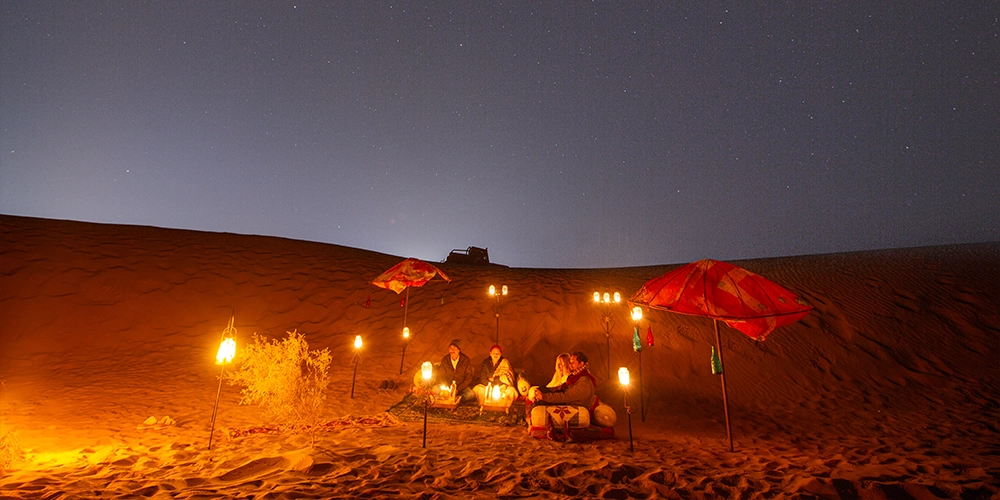
Most travellers combine Tanot Mata with a Sam Sand Dunes visit and a desert camp stay to make the most of the trip, turning what could be a rushed day trip into a proper overnight desert experience.
Where to Stay: Camp in Jaisalmer
Having a nice, comfortable place to relax after travelling through a day of deserts and temples can definitely make all the difference. Winds Desert Camp is a fab option for a premium, well-maintained desert camp in Jaisalmer, set right inside the dunes, with an easy combo with Tanot Mata or Sam Sand Dunes.
If you’re after a little luxury to accompany your desert vibes, the Winds Desert Camp offers luxury tent accommodations in Jaisalmer paired with traditional Rajasthani hospitality —an ideal way to finish an afternoon of exploring the culture and soul of the Thar Desert.
Conclusion
Some places you visit, and some places stay with you — Shri Tanot Mata Temple is definitely the second kind. It’s not just another stop to check off your Jaisalmer itinerary; it’s a place that makes you slow down and really take in what faith, history, and courage look like when they come together in one spot. Whatever pulls you there — the devotion, the war stories, or just the long, quiet drive through the sand — it’s time well spent.
And when you’re finally back from the border with sand in your shoes and a lot to think about, there’s no better way to end the day than at Winds Desert Camp. Sink into a comfortable tent, watch the sun go down over the same dunes you drove through, and let the desert do the rest.
Frequently Asked Questions
What are the Shri Tanot Mata Temple timings?
The temple remains open every day from 6:00 AM to 8:00 PM, and evening aarti in the temple is held between 7 PM and 8 PM.
How far is Shri Tanot Mata Temple from Jaisalmer?
Shri Tanot Mata Temple is approximately 120 km away from Jaisalmer city, which usually takes around 2 hours by road.
Is there an entry fee for Shri Tanot Mata Temple?
No, entry to the temple is completely free for everyone.
Do I need a permit to visit Tanot Mata Temple?
Indian citizens do not need a special military permit for the temple or Longewala, but prior online registration through the Tanot Mata Mandir Trust website is mandatory. You must carry two printed copies of your digital border pass and your original government ID. Going beyond the temple to the actual border fence (BP 609) requires separate BSF permission from Jaisalmer.